
From Roti, Kapda, Makaan… to EMIs, Upgrades and Lifestyle
For generations, Indians worked towards Roti, Kapda, Makaan. Today, essentials have quietly become EMIs, upgrades and lifestyle — and financial commitments are growing faster than financial strength.
For generations, Indians worked towards securing three essentials: Roti. Kapda. Makaan. Food. Clothing. Shelter. Those were the foundations of a secure life.
Today, for many young professionals living in India's metro cities, the definition of "essentials" has quietly changed. Food has become lifestyle dining. Clothing has become identity and personal branding. Shelter has become either a premium rental apartment or a home purchased through a long-term EMI.
Add to that a car loan. The latest smartphone. International holidays. Premium memberships. Credit cards. Buy Now, Pay Later. Monthly subscriptions that quietly renew without a second thought.
None of these are inherently wrong. The problem arises when our financial commitments grow faster than our financial strength.
A higher salary often creates a higher lifestyle — but not necessarily greater wealth. During the early years of a career, when annual salaries typically range from ₹3 lakh to ₹30 lakh, many professionals focus intensely on increasing their CTC. Very few focus with the same intensity on increasing their net worth.
As income rises, easy access to credit makes consumption effortless. EMIs begin to replace savings. Structured investing gets postponed. Emergency funds are treated as optional. The result is a lifestyle that looks prosperous from the outside but feels financially fragile from within — the classic lifestyle inflation trap.
And financial stress rarely stays confined to your bank account. It quietly influences the way you make decisions. It affects your willingness to take calculated career risks. It reduces your ability to think long term. It increases anxiety. It impacts your productivity at work. An employee who is one unexpected expense away from financial pressure often finds it difficult to focus on long-term growth.
Financial freedom begins much earlier than people imagine. It begins with a few simple disciplines.
Know where your money goes. Cash flow is the foundation of every financial plan. What gets measured gets managed.
Don't let your lifestyle outrun your income. Every lifestyle upgrade should follow financial strength — not precede it.
Be cautious about long-term EMIs in the early years of your career. Flexibility is one of the greatest assets a young professional possesses. Don't give it away too quickly.
Learn to distinguish between needs and wants. Needs improve your life. Wants improve your lifestyle. Understanding the difference can transform your finances.
Think twice before borrowing for depreciating assets. A car, a phone, or a vacation may create memories and convenience, but they rarely create wealth. Build liquidity first. Upgrade later.
Finally, remember that not every investment is financial. Choosing to live closer to work, reducing unnecessary commuting, and protecting your time and mental peace are investments too. Because time compounds. Energy compounds. Peace of mind compounds. Just like money.
A higher income can certainly make life more comfortable. But comfort is temporary. Financial stability comes from building assets that give you choices — not liabilities that take them away. That is the same lesson behind ₹21,000 a Month. The Freedom to Choose.
At BeSampann, we believe the goal is not to avoid enjoying life. The goal is to ensure today's lifestyle never compromises tomorrow's freedom.
Because income creates comfort. Wealth creates stability. And financial freedom creates choice.
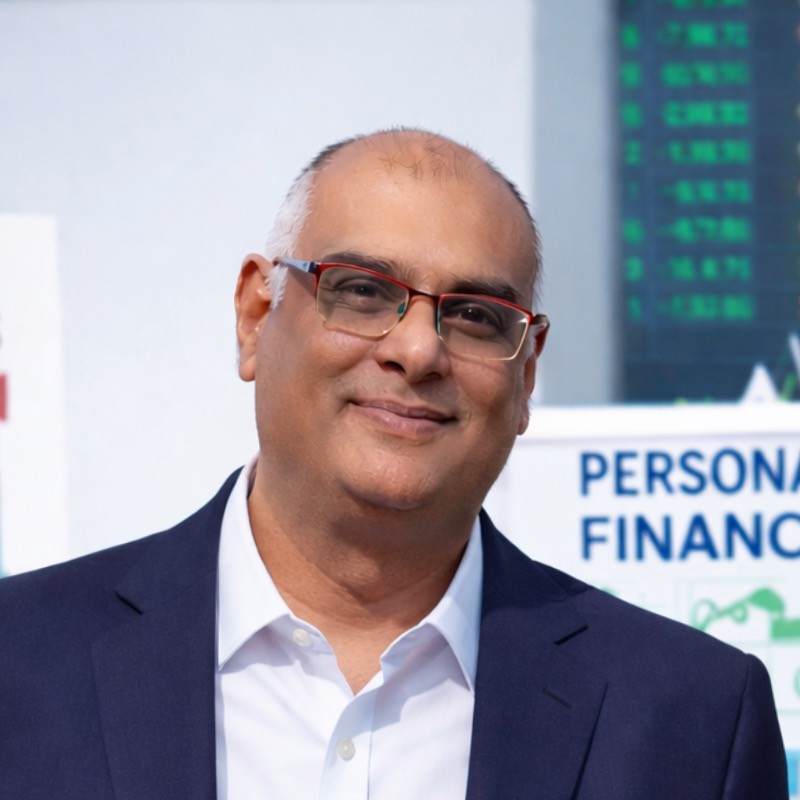
Dr. Ashu Handa
Chartered Accountant, Law Graduate and PhD in Economics. Founder of BeSampann Financial Awareness — a financial literacy initiative for young India.
The Lifestyle Inflation Trap
Salary goes up. Lifestyle goes up. Expenses go up. Savings stay exactly where they were. This is how thousands of high earners never quite become wealthy.
₹21,000 a Month. The Freedom to Choose.
My first salary was ₹21,000 a month. Financial freedom wasn't in my vocabulary. There was no lottery ticket, no overnight success — just hundreds of small decisions, repeated for nearly two decades.