
Saving Is Not Investing
They sound similar, they use the same money, and they solve completely different problems. Confusing the two is one of the most expensive mistakes young Indians make.
In everyday conversation we use saving and investing interchangeably. "I am saving for a house." "I am putting money aside." "I am being financially responsible." All of it sounds virtuous, all of it sounds similar, and most of it will not make you wealthy.
Saving and investing are two different jobs, done by two different tools, for two different reasons.
Saving protects your money. A savings account, a fixed deposit, a liquid fund — these are places you park money you do not want to lose. The return is deliberately low, usually 3-4% a year, because the priority is safety and access. Saving is the right answer for money you will need within a year or two, and for the emergency buffer that stands between you and a bad decision on a bad day.
Investing grows your money. Equity, mutual funds, long-term instruments — these are places you send money that has a job to do over decades. The returns are higher, historically 10-15% a year for broad equity over long periods, but the price of admission is volatility. Investments will move around in the short term. That is not a bug. It is the reason they can outrun inflation over the long term.
Here is the sentence from the workshop that seems to shift how people think about this: investing allows your money to earn its own salary.
Money that only sits in a savings account is money that only ever earns what you earned. Money that is invested — patiently, over long periods, in instruments matched to the timeline — starts to produce a second income of its own. First a trickle. Then, quietly, a stream. Starting early multiplies that stream; staying invested through market crises protects it.
The mistake most young professionals make is not that they invest badly. It is that they never quite start. They save diligently, feel financially responsible, and never notice that the money is standing still relative to the world around it.
Keep three to six months of expenses in a savings vehicle for the emergencies. Everything above that, meant for goals that are years away, deserves to be invested. Both are financial discipline. Only one of them builds wealth. To translate a goal into a monthly SIP, open the Goal-Based SIP Planner.
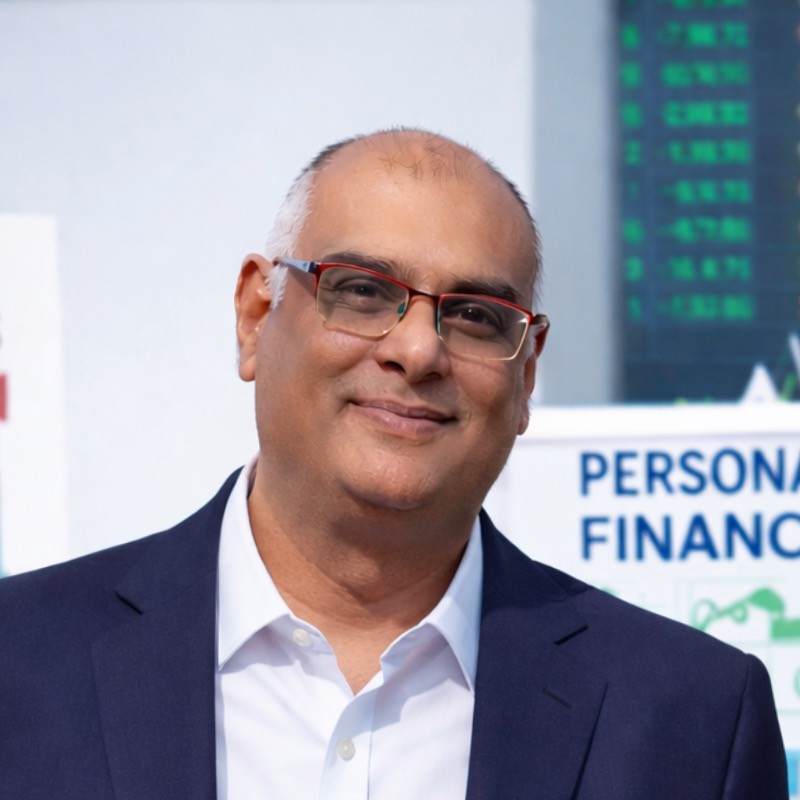
Dr. Ashu Handa
Chartered Accountant, Law Graduate and PhD in Economics. Founder of BeSampann Financial Awareness — a financial literacy initiative for young India.
Build Your Emergency Fund Before Anything Else
An emergency fund is not glamorous. It does not grow quickly. It is the single most important thing a young professional can build — because it prevents bad financial decisions during the worst times.
Inflation: The Silent Wealth Destroyer
A 100 gm pack of Maggi cost ₹10 in 1999. In 2026, ₹15 buys you only 70 gm. That is not a 50% price increase — it is 114%. Inflation hides in plain sight.